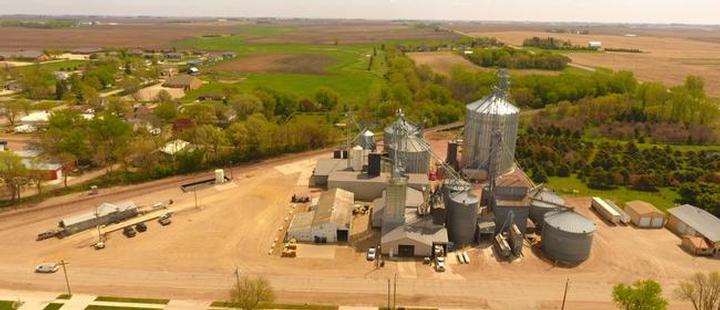
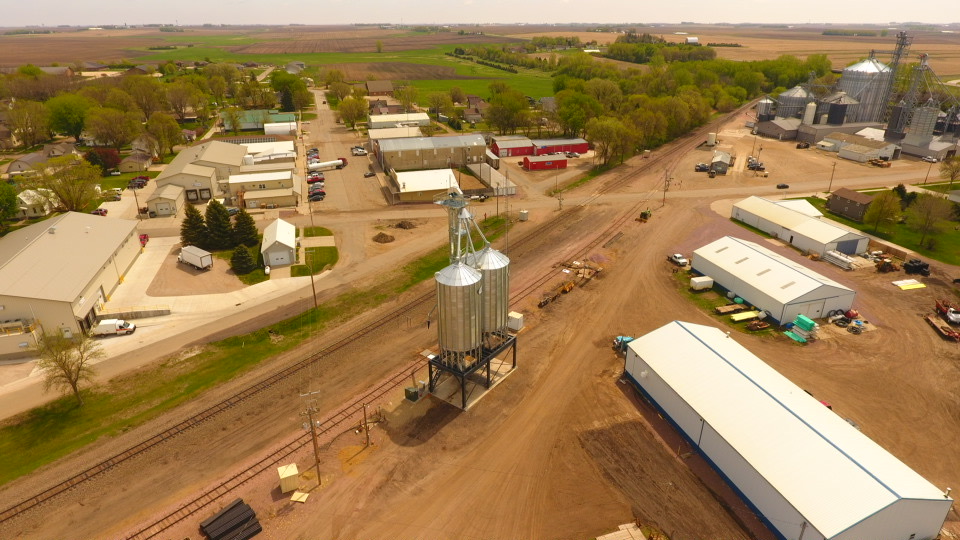
We are an independently owned feed mill, grain elevator, and extruded expelled soybean processing plant. We have served the tri-state area for over 50 years! Our commitment to service our customers with the highest quality GMO, Non-GMO, and Organic products is second to none! Thanks for choosing Lester Feed & Grain. 712-478-4440
Bulletin Board
Harvest Hours Grain Recieving:
GMO & Non-GMO Monday - Saturday 7:30 am - demand
Organic Monday - Friday 7:30 am - 4:00 pm
Feed Mill Recieving / Meal & Oil Load Out Monday - Friday 8:00 am - 4:00 pm
LFG IS ACTIVELY LOOKING FOR EXISTING HOG BARNS
Soybean Crushing
Feed YOUR own soybeans just like you feed YOUR own corn!
“EXPRESS SOYBEAN MEAL” (extruded expelled) Produce YOUR own soybean meal at the cost of production!
* Lower F/G * Higher ADG * Lower Cull Rates * Lower Death Loss * Higher % Sold As Tops * Grain Bank Your Soybeans * Market Your soybeans every day
Process your own soybeans into "EXPRESS SOYBEAN MEAL",Our mechanical process of extrusion is superior to conventional solvent extracted soybean meal due to the process in which it is manufactured gives it a higher nutrient availability. This value allows you to feed what you already raise in the same manner you feed your own corn today!
USDA released its quarterly Grains Stocks and Small Grains Summary reports
on Wednesday.
BUSDA Reports Summary
Amid high demand for its regenerative agricultural pilot program, USDA is
boosting funding by $300 million for the next fiscal year. The program puts
agriculture conservation, sustainability and Make America Healthy Again
supporters in the same support group opposing changes that would reduce farm
conservation participation.
BUSDA Adds $300M to Regen Ag Program
Tighter margins are pushing grain producers to prioritize liquidity, with
a Farm Credit lending officer pointing to cash flow, land values, government
payments and interest rates as four trends shaping farm financial decisions.
:^Liquidity Key in Tight Farm Economy
For the second week in a row, six of the eight major fertilizers are
slightly higher compared to the previous month. Only one fertilizer, anhydrous,
was notably more expensive. DTN designates a significant move as anything 5% or
more.
BDTN Retail Fertilizer Trends
Farmers in Iowa, Illinois and Wisconsin, along with solar energy groups,
filed a lawsuit Monday in the U.S. District Court for the District of Columbia,
suing USDA and department officials over changes to the Rural Energy for
America Program (REAP) that plaintiffs argue were done to effectively block
funding for nearly all on-farm solar projects.
FGroups: USDA Violated Law on REAP Rules